How Do You Compare Epoxy Floor Proposals

Get the preparation method in writing before comparing a single price on a garage floor in Riverside, CA. Bids for the same slab can describe very different jobs, and the seven questions below sort them out. The breakdown sitting on epoxy floor coating riverside evrnyc lists them in order, starting with how the concrete gets opened up. Each answer belongs on paper, not in a phone call.
Preparation and moisture
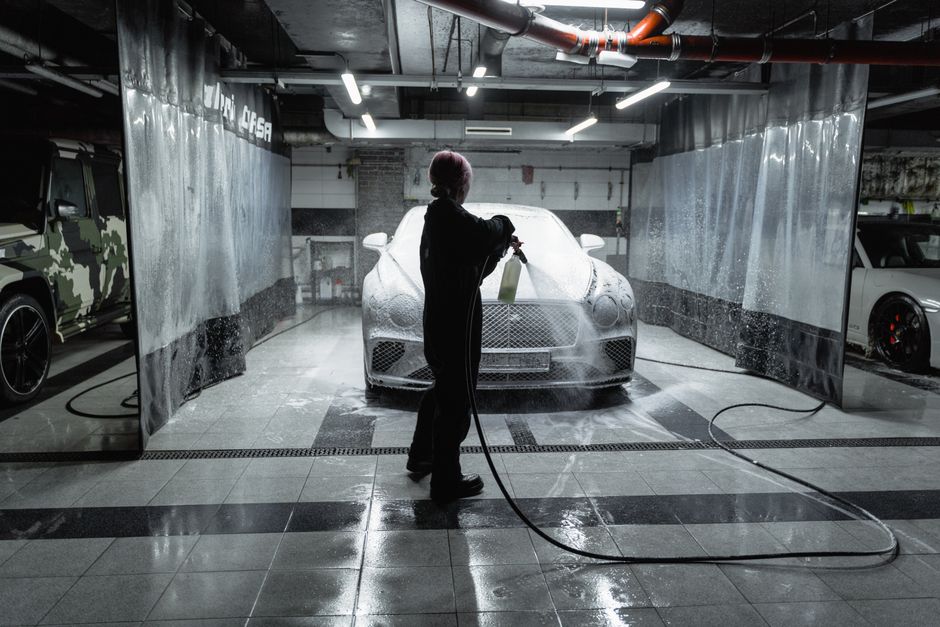
Ask how the slab will be prepared. Diamond grinding should be named in the proposal, along with the surface profile the crew is aiming for, because a coating only holds as well as the surface it grips. Acid etching and a quick pass with a floor polisher are not the same work. Then ask whether a moisture test will be run before anything is rolled out, and what happens if the slab tests high. A slab on grade can push vapor upward for years, and a crew with no answer to that question has not planned for it. A good answer names the test and the next step, such as a moisture-mitigating primer or a delay.
Products, coats and thickness
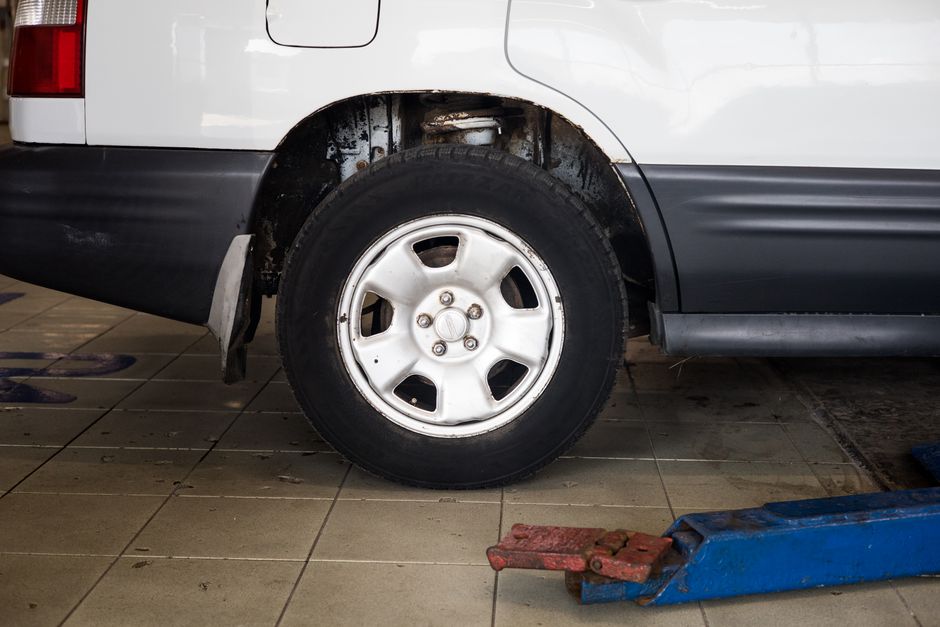
Ask for the product type in each coat. A common system is an epoxy base coat with a polyaspartic topcoat, sometimes with a primer underneath. Request the data sheets for every one. Then ask how many coats are included and the target thickness in mils. Thickness sets durability more than a brand name does. If the system uses vinyl flake, ask how heavily the flake will be broadcast and whether a clear coat goes over it. A thin single coat and a built system can carry similar-looking line items, so the numbers have to be stated.
Cracks, spalls and joints
Ask how cracks, spalls and control joints will be treated. Cracks get routed or ground and filled, and spalls get patched with a repair mortar before coating. Control joints are different. Some are filled with a semi-rigid material and some are left to move, because the slab will keep cutting along those lines. A coating bridged over a working joint will crack right over it. The proposal should say which joints get filled and which stay open.
Schedule and weather
Ask how long until foot traffic, vehicle traffic and full cure. Those are three different dates. Then ask how the schedule handles heat or wind. In the Inland Empire, a slab in direct afternoon sun can shorten working time on a base coat, and santa ana winds blow dust and debris onto wet topcoat. A crew that has laid floors here will describe start times and shade control without being asked. A short install window says nothing by itself about the quality of the crew.
Warranty terms
Ask for the warranty in writing, including what is excluded. Moisture-related failures are often carved out, which loops back to the test result. Read for coverage of peeling, delamination and hot-tire pickup, and for who pays for removal. A long term on paper does not guarantee a good floor. It only tells you how long the contractor agreed to stand behind specific conditions, so the exclusions matter as much as the years.